
You search for “best coffee shop near me” and somehow the results know exactly what you want. The closest spot. Great reviews. Even your kind of vibe. So how does the search engine figure that out? The answer is Semantic Search.
Initially, search engines functioned similarly to simple matchmakers. They lined up the precise phrases they found. However, the game has evolved since then. These days, search engines are trained to decipher what you really write.
This change is more than simply intriguing for anyone working in digital marketing or producing content. It is crucial. You can create content that connects, ranks, and converts by understanding how semantic search functions. Because user intent is increasingly more important than keywords.
What is Semantic Search (And Why It Matters More Than Ever)
Modern search engines may think more like people by using semantic search, which goes beyond keywords. It’s the technology that enables Google, Bing, and other search engines to comprehend not just the words you type but also the meaning behind them.
Semantic search provides more accurate results by examining context, connections, synonyms, and even past searches rather than matching requests word for word. It’s how search engines are aware that when you type “Apple,” you may be referring to the tech business rather than the fruit.
Why is it more important than ever? Because cramming content with keywords is no longer the goal of search. It involves responding to genuine queries, resolving issues, and matching what people are genuinely looking for. If your content isn’t optimised for semantic search, it’s likely being left behind.
Key Concepts Involved
User Intent: The goal behind a query.
Contextual Understanding: Includes time, location, and device used.
Natural Language Processing (NLP): Helps machines understand human language.
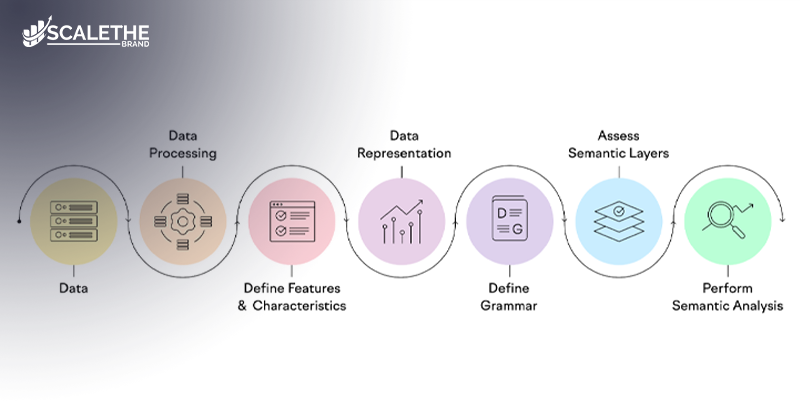
How Semantic Search Actually Works (With Real Examples)
So, how does semantic search work behind the scenes? It’s not magic it’s machine learning, natural language processing, and a whole lot of data.
Search engines like Google now look at the meaning of your entire query, not just individual words. They analyse user intent, context, synonyms, past behaviour, and even your location. The goal is to understand what you’re really asking, even if you don’t phrase it perfectly.
For example, if you search “how to fix a leaking tap,” the engine understands you’re probably looking for a DIY guide, not a plumbing definition. If you ask “movies where the hero dies,” it knows you want emotional film recommendations, not movie-making techniques.
Semantic search connects the dots between language and logic. And it’s changing everything about how we search and how content gets found.
➥ Step 1: Understand the User Intent
Search engines start by figuring out what the user really wants. For example, a search like “best laptops for students” isn’t about specs, it’s about finding affordable, lightweight options suitable for school use.
➥ Step 2: Analyse the Query Context
Next, the engine looks at where and how the search is made. Is the user on mobile? Are they located in New York? Have they searched for similar things before? All of this builds context.
➥ Step 3: Match With Meaning, Not Just Keywords
Instead of scanning for exact-match keywords, semantic search compares the query with pages that mean the same thing. Synonyms, related terms, and topic relevance all come into play.
➥ Step 4: Rank Results Based on Relevance and Quality
Content that clearly answers the intent, provides helpful structure, and comes from a trustworthy source is pushed to the top. Google’s AI systems look for signals like authority, clarity, and engagement.
➥ Step 5: Refine With Real-Time Feedback
If users don’t click or quickly bounce, search engines notice. They constantly adjust results based on what’s actually helping people. This feedback loop fine-tunes the entire system.
Semantic Search vs Traditional Search vs Vector Search
| Feature | Traditional Search | Semantic Search | Vector Search |
|---|---|---|---|
| Focus | Exact keywords | User intent + context | Concept similarity |
| Tech Used | Boolean matching | NLP & ML | Embedding models |
| Flexibility | Low | Medium | High |
| Ideal Use | Basic queries | SEO, voice, web search | AI, chatbots, discovery |
Traditional Search:
This is the old-school approach. It relies on exact keyword matching. If you searched “cheap flights New York,” it looked for pages with those exact words. Misspell one word or phrase it differently? You’d likely get irrelevant results.
How it works
Matches search query with text on pages word-for-word
Ignores intent or context
Requires exact phrasing
For Example
Query: “cheap hotels”
Results: Only pages with the exact phrase “cheap hotels”
Semantic Search:
This is where things get smarter. Semantic search focuses on meaning and intent. It understands that “budget travel to NYC” might be the same as “cheap flights to New York.” It looks at context, user behaviour, synonyms, and relationships between words to deliver results that feel more human.
How it works
Analyzes synonyms, context, and user behavior
Uses NLP (Natural Language Processing)
Focuses on meaning over exact matches
For Example
Query: “budget places to stay”
Results: Shows “cheap hotels,” “affordable hostels,” etc.
Vector Search
This takes things even further. Instead of matching text, vector search uses mathematical representations of language called embeddings to understand complex relationships between concepts. It’s what powers things like AI chatbots and recommendation engines. For example, it knows that “apple” and “fruit” are close in meaning, but “Apple” and “iPhone” are even closer in the tech world.
How it works
Converts text into vectors (numbers)
Finds related content based on meaning, not wording
Ideal for chatbots, recommendation systems, AI queries
For Example
Query: “phones with great cameras”
Results: Articles on “best smartphones for photography,” even if the exact phrase isn’t used
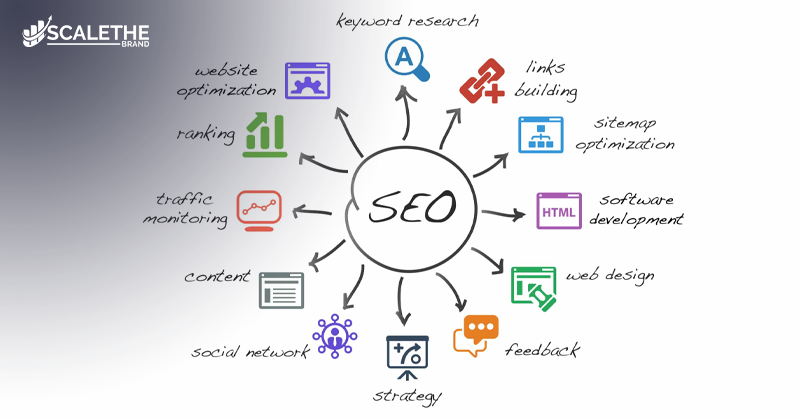
Why Semantic Search is Changing SEO Forever
SEO now focuses on discussions, context, and intent rather than keywords. Semantic search has that kind of capability.
These days, search engines want to know not just what users enter, but also what they mean. This implies that material created just for bots and filled with exact-match keywords is no longer sufficient.
Content that gives value across a topic, links similar concepts, and provides solutions to actual inquiries is rewarded by semantic search. It is compelling marketers and SEOs to switch from keyword tactics to genuine subject authority.
Your material is buried if it doesn’t accurately represent how people think, speak, and search. However, it stands out if it adheres to the concepts of semantic search, which include structured data, natural language, and entity connections.
To put it briefly, SEO is becoming more human thanks to semantic search. And everything is altered by it.
The Future of Semantic Search (What’s Coming Next?)
Search engines are rapidly changing. They’re getting closer to comprehending not just what we type but also our true intentions before we even finish a phrase. We’re moving toward a time when searching will seem more like having a genuine conversation than just entering into a box thanks to AI innovations like Google’s MUM and tools driven by big language models.
Smart voice assistants, more individualized results, and even better answers to picture and video questions are all on the horizon. You might snap a picture of your equipment and ask, “Is this good for Europe in winter?” instead of entering “best travel backpack.”
This implies one thing for SEO experts and content producers: write for humans instead of algorithms. Pay attention to true value, aim, and clarity. You’re already ahead of the game if your content can adapt to the way that semantic search is transforming how we find information.
Smart voice assistants, more individualized results, and even better answers to picture and video questions are all on the horizon. You might snap a picture of your equipment and ask, “Is this good for Europe in winter?” instead of entering “best travel backpack.”
How to Optimize Your Website for Semantic Search (Actionable Guide)
If you want your content to show up in today’s smarter search engines, you need to do more than sprinkle in keywords. You need to think like your users and like a search engine.
Here’s how to get started:
- Understand Search Intent: Before you write, ask: What is the user really looking for? Are they trying to learn something? Buy something? Compare options? Tailor your content to match that purpose.
- Use Natural Language: Write the way people speak. Use clear, conversational language that aligns with how real users ask questions especially on voice search.
- Organize Content Around Topics, Not Just Keywords: Cover your subject thoroughly. Instead of creating dozens of keyword-specific pages, group related ideas together and build topic clusters with strong internal links.
- Add Structured Data (Schema Markup): Help search engines better understand your content. Use schema.org markup for articles, products, reviews, FAQs, and more to enhance your visibility in rich results.
- Focus on Entities and Relationships: Mention related terms, brands, people, places, and concepts that connect to your topic. This helps search engines recognize your content’s context and authority.
- Answer Questions Clearly: Use headings, bullet points, and short paragraphs to make your content easy to skim and easy for search engines to extract answers from.
- Keep It Fresh and Helpful: Update your content regularly. Prioritize helpful, user-focused information over keyword density or fluff.
Final Thoughts
Let’s face it: search has evolved, and the outdated SEO strategy is no longer effective.
These days, it’s not about chasing ranks or packing keywords. It’s about figuring out what people really want when they ask an inquiry on Google. Semantic search can help with it. Content that is understandable, beneficial, and really human is rewarded.
It’s time to change if you continue to write only for bots. Use the language of your audience. Respond to actual inquiries. Make material that has a real purpose.
due to the companies that succeed in semantic search? They don’t make the most noise. One search at a time, they are the ones that pay attention, comprehend, and provide genuine value.
Frequently Asked Questions
Here are some answers to common questions
What is Semantic SEO?
Semantic SEO is the process of optimizing content based on meaning, context, and user intent not just exact keywords to help search engines better understand and rank your pages.
how does semantic search work?
Semantic search works by understanding the meaning behind a search query. It looks at context, user intent, synonyms, and relationships between words to deliver results that match what the user meant, not just what they typed.
what is semantic search in ai?
Semantic search in AI is the use of artificial intelligence to understand the intent, context, and meaning behind a user’s query. Instead of matching exact words, it uses natural language processing and machine learning to deliver more relevant, human-like search results.
what is semantic search technology?
Semantic search technology is an advanced search method that uses AI, natural language processing, and machine learning to understand the meaning and intent behind search queries. It goes beyond keyword matching to deliver more accurate, context-aware results.
How is semantic search different from traditional search?
Traditional search looks for exact keyword matches. Semantic search goes deeper by analyzing what the user actually means and finding results that match the intent, even if the wording is different.
Why is semantic search important for SEO?
Because search engines now prioritize relevance and meaning over exact keywords. If your content answers real questions and covers a topic deeply, it has a better chance of ranking well.
Do I still need keywords with semantic search?
Yes, but strategically. Use keywords naturally within meaningful content. Focus on related terms, entities, and topics instead of stuffing pages with repetitive phrases.
Toggle TitleHow can I make my content more semantic-search friendly?
Write in natural language, focus on answering real questions, use structured data (like schema), and organize your content into clear topic clusters with internal linking.
Is semantic search only relevant to Google?
Nope. Bing, Yahoo, YouTube, and even social media platforms use forms of semantic search. Optimizing for it helps you everywhere users search with intent.