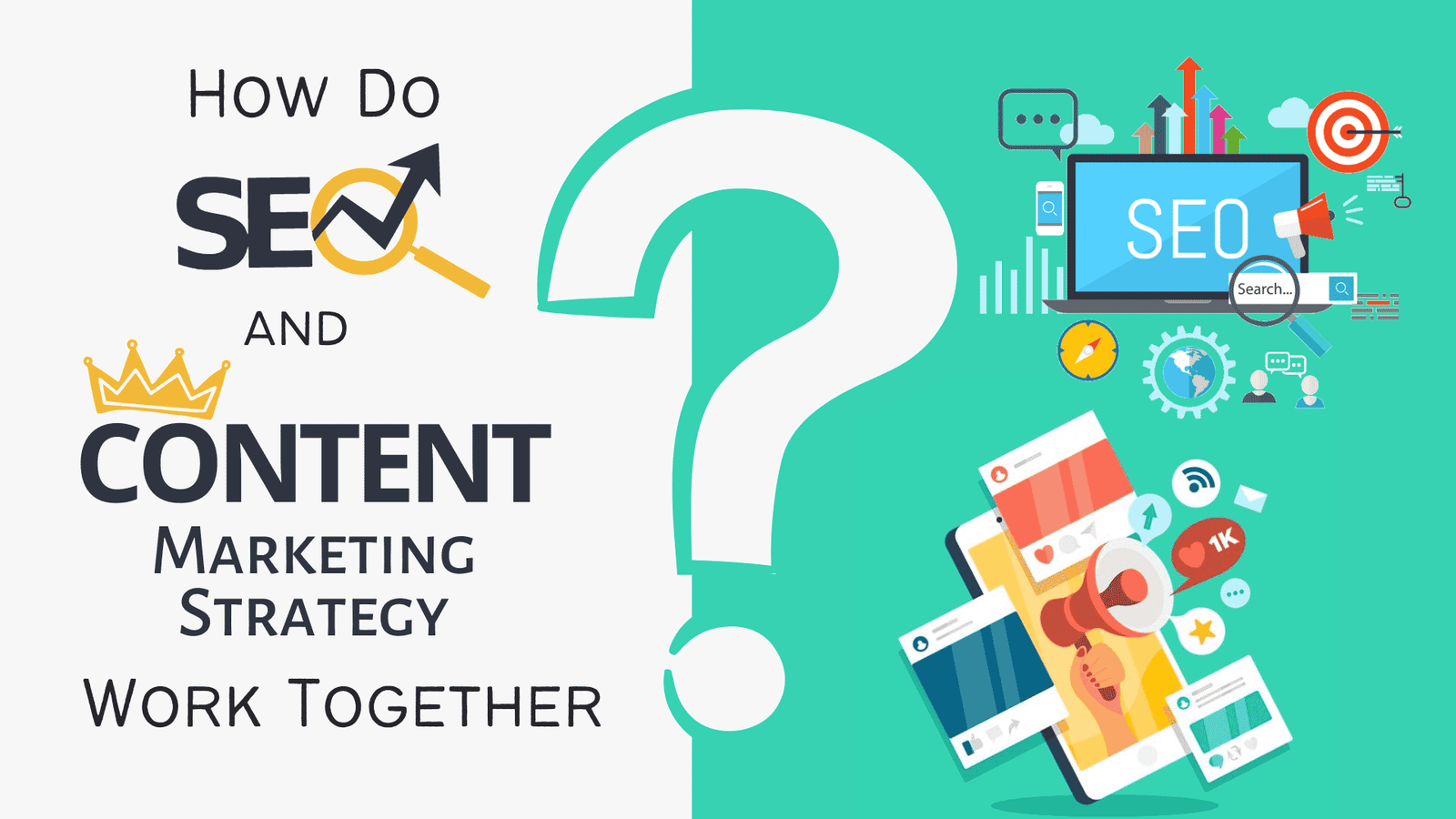
In the ever-evolving digital landscape, businesses must leverage every possible strategy to attract, engage, and retain their audiences. Two of the most powerful tools in this arena are SEO (Search Engine Optimization) and content marketing.
While many marketers treat them as separate strategies, their real power emerges when they work together. This guide explores how SEO and content marketing complement each other, practical ways to integrate them, and how combining them can drive measurable results for businesses of all sizes.
Understanding SEO and Content Marketing
Before diving into how these strategies intertwine, it’s important to define them individually.
What is the Purpose of SEO?
First thing is What is SEO? So, Search Engine Optimization (SEO) is the practice of optimizing your website and its content to rank higher in search engine results pages (SERPs). The ultimate goal is to increase organic traffic from search engines like Google, Bing, and Yahoo. SEO can be broken down into several key components:
- On-Page SEO : Optimizing the content and HTML elements of a web page. This includes title tags, meta descriptions, header tags, keyword usage, internal linking, and content structure.
- Off-Page SEO : Activities that occur outside your website to improve its authority, such as backlinks from reputable websites, social signals, and influencer mentions.
- Technical SEO : Ensuring that your website is crawlable, fast, mobile-friendly, and secure. Technical issues can prevent search engines from indexing your pages effectively.
SEO’s focus is primarily visibility and discoverability, but it cannot thrive without quality content to attract and engage users.
What is Content Marketing?
Content marketing is the strategic creation, distribution, and promotion of valuable content designed to attract, educate, and engage a target audience. Unlike traditional advertising, content marketing seeks to provide value rather than overtly sell products or services.
Key types of content include:
- Blog posts : Informative, educational, or entertaining articles.
- Infographics : Visual content that simplifies complex ideas.
- Videos : Engaging and shareable content for YouTube, social media, and websites.
- Ebooks and guides : Comprehensive resources offering deep insights.
- Podcasts : Audio content that educates or entertains a niche audience.
Content marketing’s main goal is audience engagement, building trust, and establishing authority in a particular niche.
Why SEO and Content Marketing Must Work Together
SEO and content marketing are two sides of the same coin. While SEO ensures your content is discoverable, content marketing ensures it is valuable and shareable. When these strategies operate in isolation, results are limited.
SEO Without Content Marketing is Limited
Even if a website is fully optimized, without valuable content, users have nothing to engage with. Ranking alone does not convert visitors into leads or customers.
Content Marketing Without SEO is Invisible
High-quality content may fail to reach its audience if it is not optimized for search engines. Without SEO, content may rely solely on paid promotions or social media, limiting its reach and long-term impact.
When combined, SEO ensures visibility, and content marketing ensures engagement and conversions.
How SEO and Content Marketing Complement Each Other
Let’s break down the ways in which SEO and content marketing naturally support each other.
Keyword Research Drives Content Strategy
SEO starts with keyword research. Identifying the words and phrases your target audience uses when searching online helps shape content creation.
For example, if your business sells organic skincare products, keyword research might reveal high-volume search terms like:
- “Best organic moisturizer for dry skin”
- “Chemical-free sunscreen”
- “Organic skincare routines for sensitive skin”
If you want to know the advanced strategies of keyword research then read our guide on How to do Keyword research? Content marketing can then produce blogs, guides, and videos around these keywords, ensuring that the content answers users’ questions and ranks in search results.
Content Creation Boosts SEO Performance
SEO thrives on high-quality, relevant content. Search engines prioritize content that:
- Provides comprehensive answers to user queries.
- Uses proper formatting, headings, and keyword placement.
- Includes multimedia elements like images and videos.
- Is regularly updated and maintained.
Content marketing delivers this valuable content. A consistent publishing schedule with optimized blog posts, videos, and infographics can increase organic traffic, improve dwell time, and reduce bounce rates, all of which are positive signals for search engines.
On-Page SEO Enhances Content Visibility
Every piece of content should follow on-page SEO best practices to maximize its reach. This includes:
- Including primary and secondary keywords naturally in the title, headings, and body.
- Writing compelling meta titles and descriptions that improve click-through rates (CTR).
- Using internal links to other relevant pages on your site.
- Optimizing images with descriptive alt text.
This ensures that content marketing efforts are search engine-friendly, increasing the likelihood of ranking and driving organic traffic.
Content Marketing Generates Backlinks
Backlinks are a critical component of off-page SEO. High-quality, valuable content is more likely to be referenced by other websites, blogs, or media outlets.
For instance, a well-researched industry report or guide can earn backlinks from reputable websites, boosting domain authority and improving search rankings. Content marketing and SEO work hand-in-hand here: great content attracts backlinks, and backlinks improve SEO.
User Experience (UX) and Engagement Metrics
Search engines, especially Google, consider user engagement metrics such as time on page, bounce rate, and pages per session. Content marketing aims to provide a positive user experience by delivering valuable, engaging, and easy-to-read content.
SEO complements this by ensuring that the website is fast, mobile-friendly, and navigable, enhancing the likelihood that users will stay longer and engage more deeply with the content.
Repurposing Content for Maximum Reach
Content marketing allows businesses to repurpose content into multiple formats, such as:
- Converting blog posts into videos or podcasts.
- Creating infographics from statistical articles.
- Summarizing guides into email newsletters or social media snippets.
SEO ensures that all repurposed content is optimized for search engines and discovers audiences across different platforms, extending the content lifecycle.
Steps to Integrate SEO and Content Marketing
A seamless integration of SEO and content marketing involves strategy, planning, and execution. Here’s a step-by-step process:
Step 1: Define Goals and KPIs
Start by defining clear objectives for your campaign. These may include:
- Increasing organic traffic
- Improving search engine rankings for target keywords
- Generating leads or sales
- Building brand authority
Set KPIs (Key Performance Indicators) to measure success, such as:
- Organic traffic growth
- Average keyword ranking improvements
- Click-through rate (CTR)
- Conversion rate
Step 2: Conduct Comprehensive Keyword Research
Identify relevant keywords based on:
- Search volume
- Competition
- User intent (informational, transactional, navigational)
Tools like Ahrefs, SEMrush, or Google Keyword Planner help uncover high-potential keywords that can shape your content strategy.
Step 3: Create an SEO-Friendly Content Plan
Your content plan should include:
- Topics and subtopics based on keyword clusters
- Content formats (blog, video, infographic)
- Target keywords, meta descriptions, and headings
- Internal linking strategy
Focus on pillar content (comprehensive guides) and cluster content (supporting articles) to boost topical authority.
Step 4: Produce High-Quality Content
While SEO focuses on discoverability, content marketing ensures engagement. Each piece should:
- Provide value and answer user intent
- Include primary and secondary keywords naturally
- Feature visuals, videos, or infographics to enhance understanding
- Maintain a readable structure with headings, bullet points, and short paragraphs
Step 5: Optimize On-Page SEO
After content creation:
- Optimize title tags and meta descriptions
- Use header tags (H1, H2, H3) strategically
- Add internal and external links
- Optimize images with alt text and file names
- Ensure content loads quickly and is mobile-friendly
Step 6: Promote Content
Even optimized content needs promotion:
- Share on social media platforms
- Send via email newsletters
- Engage in influencer outreach for backlinks
- Repurpose content into different formats for broader reach
Step 7: Monitor Performance and Iterate
Use analytics tools like Google Analytics, Search Console, and Ahrefs to track performance. Analyze metrics such as:
- Organic traffic growth
- Keyword rankings
- Bounce rates and engagement metrics
- Conversion rates
Contnuously update and improve content based on performance insights.
Real-World Examples of SEO and Content Marketing Integration
Example 1: HubSpot Blog
HubSpot seamlessly integrates SEO and content marketing by producing long-form, keyword-optimized blog posts. Each post targets specific keywords while offering actionable insights, guides, and free resources, attracting backlinks and ranking high in search results.
Example 2: Moz Beginner’s Guide to SEO
Moz’s guide is a perfect blend of educational content and SEO optimization. It addresses user intent with detailed explanations while being discoverable through strategic keyword usage and internal linking across related articles.
Example 3: Neil Patel’s Digital Marketing Blog
Neil Patel combines keyword research, high-quality content, and multimedia elements to rank for competitive digital marketing terms. His blog posts are optimized for search engines and highly engaging, driving organic traffic and conversions.
Common Mistakes to Avoid
Even when combining SEO and content marketing, some pitfalls can hinder results:
- Keyword Stuffing : Overloading content with keywords can harm rankings and readability.
- Ignoring User Intent : Focusing solely on SEO can create content that does not satisfy readers’ needs.
- Publishing Without Optimization : Failing to optimize content for search engines limits visibility.
- Neglecting Updates : Outdated content can lose rankings and authority.
- Overlooking Technical SEO : Even the best content won’t rank if the site has slow loading speed, poor mobile usability, or crawl errors.
Measuring the Impact of Integrated SEO and Content Marketing
To gauge the effectiveness of combining SEO and content marketing, track the following metrics:
- Organic Traffic : Number of visitors arriving via search engines.
- Keyword Rankings : Improvement in positions for target keywords.
- Backlinks : Number and quality of referring domains.
- Engagement Metrics : Time on page, bounce rate, pages per session.
- Conversion Rates : Leads, sign-ups, or sales generated from content.
Using these insights, marketers can refine their strategies to improve both SEO and content performance over time.
Future Trends in SEO and Content Marketing Integration
The landscape of SEO and content marketing is constantly evolving. Key trends include:
- AI-Driven Content Creation : Tools like ChatGPT, Jasper, and Writesonic help create optimized content faster.
- Voice Search Optimization : Optimizing content for natural language queries and featured snippets.
- Video SEO : Search engines increasingly prioritize video content.
- E-A-T Focus (Expertise, Authority, Trustworthiness) : High-quality content that builds trust will rank higher.
- Content Personalization : Tailoring content to user behavior and preferences improves engagement and SEO metrics.
Conclusion
SEO and content marketing are not separate strategies, they are interdependent components of a successful digital marketing strategy. SEO ensures your content is discoverable, while content marketing ensures it provides value, engages audiences, and drives conversions. By integrating these strategies, businesses can maximize their online visibility, build authority, and achieve sustainable growth.
The synergy between SEO and content marketing is clear: without content, SEO has no substance; without SEO, content remains unseen. When combined strategically, they form a powerhouse capable of driving measurable results and long-term success in the digital age.