SEO stands for Search Engine Optimization, which means when users search for specific keywords or topics than a website or online content should appear higher in search engine results pages (SERPs) like Google,Bing, etc. The main objective of SEO is to gain organic (unpaid) traffic to our website. It is a digital marketing strategy for increasing the website’s visibility and rank in search engines.
The foundation of any online business on the internet is SEO. Any company that disregards SEO in the modern digital age will lose out on potential clients and expansion prospects. SEO is an ongoing process that calls for constant work, observation, and adjustment to changing search engine algorithms.
We will be covering the topics like why SEO is important, what are the pillars of SEO, how does SEO works, Types of SEO, how it is differ from SEM and PPC, SEO strategies and practices for the beginners to do so, SEO tools and resources, common SEO challenges and mistakes, Future of the SEO, how to learn SEO in this article.
Difference between Global and Local SEO
Global SEO
Global SEO (or international SEO) is the process of optimizing a website so search engines can identify its target countries and languages. It involves adjusting content, structure, and technical elements to ensure users see the most relevant version of the site based on their location and language preferences.
Example: An e-learning platform using localized keywords like “online coding course” to reach students worldwide.
Local SEO
Local SEO is a technical type of search engine optimization (SEO) that aims to make a business more visible in local search results on websites such as Google Maps and Google Search. It benefits businesses that have physical outlets or serve particular geographic regions by getting them customers from the surrounding area.
Example: A dentist in Multan using SEO to rank for “best dentist in Multan.”
Importance of SEO
For any online presence to be successful, SEO is crucial. Because people are more likely to trust websites that rank highly in search results, SEO is also helpful in gaining reputation and trust. Businesses may raise their search engine ranks by improving their content and utilizing efficient keywords. SEO is more than simply using search engines; it’s about knowing what people want to find online and providing it in the best possible way.
A well-optimized website loads quickly, is easy to use, and has a higher chance of retaining visitors. Unlike paid advertising, SEO provides steady traffic over time. SEO gives startups and small businesses an even playing field so they can compete with large corporations. Generally speaking, SEO is an essential internet marketing tactic for building a strong and long-lasting online presence.
Importance of Global SEO
It helps you to reach international visitors, driving traffic from all over the world.It helps global brands compete in various markets and increase worldwide recognition.
Importance of Local SEO
It helps local businesses come in search results to nearby customers, increasing foot traffic and local visibility.It increases your chances of coming up in Google Maps and “near me” searches.
Three Pillars of SEO
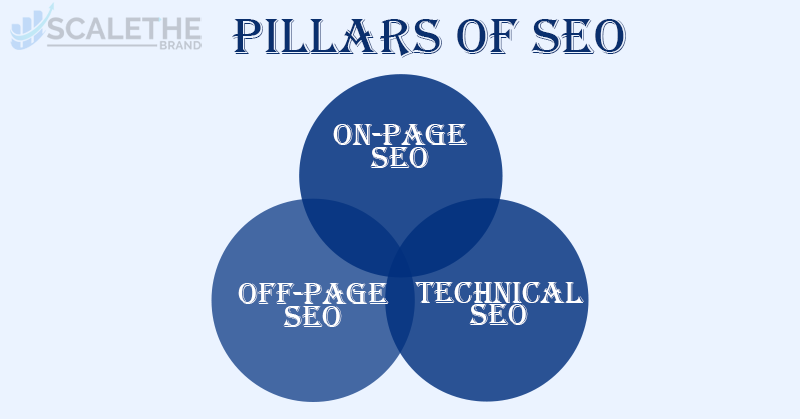
The Three Pillars of SEO are essential for improving a website’s visibility in search engines. Technical SEO ensures that the website is well-structured, fast, and easy for search engines to crawl and index. On-Page SEO focuses on optimizing content, keywords, and user experience to make pages more relevant and engaging. Off-Page SEO involves building authority through backlinks, brand mentions, and social signals that enhance the site’s credibility and trustworthiness.
How Google Bot Works
Google uses automated programs called Google bots, often referred to as Google crawlers, to locate, scan, and index material from websites on the internet. In order to find fresh or updated material, the procedure begins with crawling, in which the bot navigates through well-known webpages and follows internal and external links. After locating a page, the bot extracts and renders it, analyzing the HTML, CSS, JavaScript, and other resources to determine how the website looks to visitors.
Following rendering, the material is examined and stored in Google’s index, a massive collection of webpages. Pages with a “noindex” tag or those prohibited by robots.txt might not be taken into consideration. Ultimately, Google’s algorithms determine the indexed pages’ positions in search results by rating them according to relevancy, quality, speed, and other ranking criteria. To ensure that the index is up to date with the most recent material and updates, Googlebot periodically re-crawls webpages.
Crawlability, indexability, site architecture, XML sitemaps, page speed, mobile friendliness, security and HTTPS, canonical tags, robots.txt files, managing duplicate content concerns, and status codes are important aspects of on-page SEO.
On-Page SEO
On-page SEO is a strategy of optimizing single web pages to rank better in search engines and capture the attention of a more relevant audience . It operates on both the content and the HTML source code of a page. Search engines can better understand your page’s purpose and audience value with the aid of on-page SEO.
Keyword research, excellent content, meta titles, meta descriptions, header structure, url structure, internal and external linking, and image optimization are important components of on-page SEO.
➥ Keyword research
It identifies the words and phrases your target audience is looking for. It helps us to create content that matches user intent. The use of proper keywords improves rankings and visibility.
Read More : How Current Search Engines Interpret User Intent
➥ High quality content
Our content should be original, valuable, and informative. It must concern user needs and include relevant keywords naturally. Quality content helps visitors engage and reduces bounce rate.
➥ Meta title and description
Meta title is the clickable headline shown in search results.It should have the main keyword and be under 60 characters. A compatible meta title boosts click-through rates.
Meta description is a short summary that appears under the title in search results.
It should be clear, relevant, and have target keywords. Well-written descriptions forces users to click on your link.
➥ Heading structure
It helps in organizing our content into sections for better readability. H1 is usually the main title, following H2 and H3 for subtopics respectively.They help search engines understand content hierarchy and the relationship between them.
➥ URL structure
In the URL structure we should avoid special characters, long IDs, or unnecessary words. URLs should be short, clean, and have relevant keywords.A clear URL makes both SEO and user experience.
➥ Internal and external linking
Internal linking helps in connecting one page to another within our website. It assist users navigate easily and spreads link equity. Internal links lead search engines to crawl your site effectively.External linking helps to link with high-authority, relevant external websites. It introduces trust and also adds credibility to your content. It helps search engines recognize the context of your topic.
➥ Image optimization
It deals with compressing images for faster loading and adding alt text. Alt text defines the image for accessibility and SEO. Optimized images boosts user experience and boost rankings.
Technical SEO
Technical SEO is the act of making a website’s infrastructure more efficient so that search engines can efficiently crawl, index, and render it. In contrast to on-page SEO, which deals with content, technical SEO makes our website quick, mobile-friendly, safe, and well-structured. It entails focusing on back-end elements that affect search engine performance and visibility. A solid technological base makes it easier for search engines to comprehend and rank your website appropriately.
➥ Crawlability
Crawlability deals with how easily search engine bots can access and navigate our website. If certain pages or sections are blocked or cannot be reached, search engines may not consider them. Having a clean URL structure, well managed internal linking, and an up-to-date robots.txt file helps in improving crawlability.
➥ Indexability
Indexability determines whether crawled pages can be added to a search engine’s index. Pages with noindex tags or blocked through robots.txt won’t come into view in search results. Having the important pages that are indexable helps them become searchable on Google.
➥ Site Architecture and XML Sitemaps
A well-organized site structure helps users and bots notice content easily. Clear hierarchies and breadcrumb navigation boosts user experience. An XML sitemap complements this by listing all important pages, guaranteeing search engines don’t miss any during crawling.
➥ Page Speed
Fast-loading pages reduce bounce rates and enhance user experience. Google considers page speed as a ranking factor. Compressed files, optimized images, and minimized JavaScript are key factors to improve load times.
➥ Mobile-Friendliness (UX, UI)
With mobile-first indexing, Google ranks websites based on how it is performing on mobiles. A responsive design, readable fonts, and mobile-optimized elements are necessary for better SEO. Better mobile UX ensures smooth navigation and easy content access. A clean, intuitive UI enhances users engagement and reduces bounce rates.
➥ Security and HTTPS
With the use of HTTPS, we can encrypt user data and protect it from threats, making our site more trustworthy. Google considers HTTPS a ranking factor, and insecure (HTTP) sites often show warnings in browsers that can force users to stay away.
➥ Canonical Tags
Canonical tags help search engines which version of a page is the “super” copy when duplicate content is already present. This stops ranking issues by incorporating signals to a single URL and preventing content mixture.
➥ Robots.txt File
This file guides search engine bots on which parts of the site they are allowed or disallowed to crawl. It’s useful for preventing indexing of admin pages, duplicate content, or unnecessary resources like scripts.
➥ Handling Duplicate Content Issues
Duplicate content causes problems for search engines and may harm rankings. Using canonical tags, setting preferred URLs, and avoiding repeating content across pages helps prevent duplication problems.
➥ Status Codes
HTTP status codes (like 200, 301, 404, 500) tell search engines about a page’s position. Properly managing these codes guarantee bots and users are directed correctly, improving site health and SEO. For example, 301 redirects help maintain link equity when URLs change.
Off-Page SEO
All of the work we do outside of our website to increase its exposure and rank in search engine results is referred to as off-page SEO. It helps search engines comprehend how other users and websites identify our website. Building a website’s authority, user trust, online reputation, and brand mentions are the major goals. The way search engines rank our website is influenced by these outside signals.
Backlink building, social media interaction, guest posting, influencer outreach, brand mentions, online reviews and ratings, forum posting, directory submissions, content sharing on aggregator sites, and broken link construction are all important components of off-page SEO.
➥ Backlink Building
Backlinks are links of other websites to our own, and they are one of the important ranking signals for search engines. Having links from high-authority and related sites raises your website’s trust. Quality matters more than quantity, so focus on getting organic and credible links.
Read More : Backlink Building Techniques➥ Social Media Engagement
Uploading content on social media platforms increases brand awareness and directs the audience to our website. Although social signals aren’t direct ranking factors, they can help in backlinks and higher engagement. An optimized presence on platforms like Facebook, Instagram, and LinkedIn scales your off-page profile.
➥ Guest Posting
Writing informative articles for other prestigious blogs in our industry is a good method of building authority. It not only gains us backlinks but also shows our brand to a new audience. We should be careful about whether the content is relevant, original, and adds value to the host site.
➥ Influencer Outreach
Collaborating with influencers allows us to engage with their audience and gain credibility through association. Influencers promote our content or product, leading to backlinks, mentions, and higher engagement. Choosing influencers relevant to our niche guarantees better results.
➥ Brand Mentions
Even without a link, brand mentions on trusted sites are positive signals to search engines. This indicates that our business is being discussed and has gained online recognition. Frequent mentions build authority and trust in our industry.
➥ Online Reviews and Ratings
Positive reviews on platforms like Google, Yelp, and Trustpilot highlight your online reputation. They influence customer trust and can affect local search rankings. Actively encouraging and responding to reviews raises our brand image.
➥ Forum Posting
Taking part in industry-specific forums or Q&A sites like Quora and Reddit allows us to share knowledge and subtly promote our site. Providing helpful, non-spammy responses builds our authority and can drive referral traffic. Always follow forum guidelines and be helpful.
➥ Directory Submissions
Submitting our website to relevant online directories can enhance our online presence and help us acquire backlinks. Selecting high-quality directories that are relevant to our niche. Avoid spammy or low-quality directories, as they can harm our SEO.
➥ Content Sharing on Aggregator Sites
Uploading blog posts, infographics, or videos on content-sharing platforms like Medium, SlideShare, or Scoop.will help in widening our reach. These platforms can direct traffic and generate backlinks when our content is useful and engaging. It’s also a great method of repurposing content for different users.
➥ Broken Link Building
This method involves identifying broken links on other websites and recommending our content as a replacement. It’s a win-win: the website owner settles a dead link, and we gain a backlink. This method is highly effective if we offer relevant and high-quality content.
Final Thoughts
Enhancing a website’s prominence in search engine results to draw in organic visitors is the goal of SEO (Search Engine Optimization), a digital marketing tactic. It comprises technical SEO (concentrated on crawling, indexing, page speed, mobile friendliness, security, etc.), off-page SEO (such as backlink building, social media engagement, influencer outreach, and brand mentions), and on-page SEO (such as keyword research, content optimization, meta tags, and site structure).
Building reputation, trust, and long-term success online—both domestically and internationally—requires SEO. While local SEO concentrates on increasing exposure in adjacent geographic areas, global SEO targets consumers worldwide in several languages. All of these SEO tactics work together to improve ranks, boost organic traffic, and establish strong online authority.
Frequently Asked Questions
Here are some answers to common questions
What is SEO for Beginners?
SEO is the process of making a website more visible in search engines so that it gets more free traffic.
What does SEO stand for?
SEO stands for Search Engine Optimisation. Google and other search engines show your website and its material more often when people search for things. The practice is called SEO.
How long does it take to see SEO results?
SEO is a long-term strategy. Most websites start seeing noticeable improvements within 3 to 6 months, but high-competition niches may take longer.
What is keyword research in SEO?
Keyword research involves discovering the search terms that people use to find information in your niche. These keywords will help you make sure that your content is relevant to what people are looking for.
Can I do SEO on my own?
Yes, you can start SEO by learning best practices and using tools like Google Search Console, Google Analytics, Ahrefs, or Ubersuggest. However, for more competitive niches, professional help might be necessary.
What is the difference between white hat and black hat SEO?
➥ White Hat SEO follows search engine guidelines and focuses on long-term results.
➥ Black Hat SEO uses risky, manipulative tactics that can lead to penalties or bans from search engines