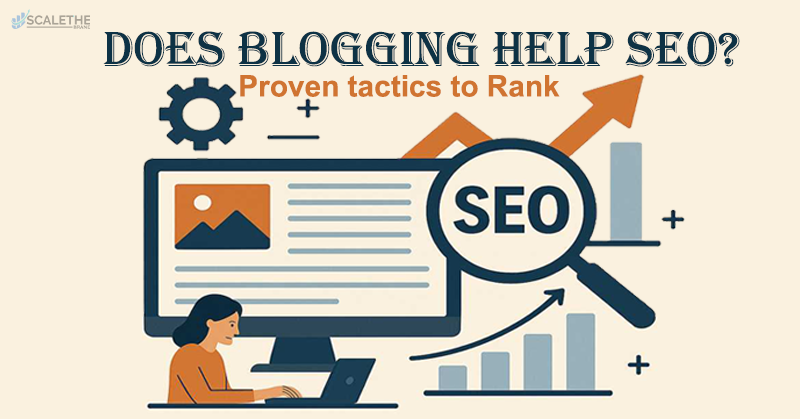
Blogging is more than just a way to share thoughts or experiences online, it’s a powerful tool to enhance visibility, attract an audience, and establish credibility. When done strategically, blogging impacts everything from organic traffic to engagement metrics, giving businesses and individuals alike a competitive edge. From boosting backlinks to improving page load speed, the benefits extend far beyond writing posts. Let’s explore how blogging can truly elevate your online presence.
Why Blogging is Essential for Online Growth
Blogging contributes to increased visibility and traffic growth while reinforcing what is seo concepts to strengthen your site’s authority. Each post can serve as a unique entry point for audiences searching for information, ensuring that your content is discoverable across various channels.
Boosts Organic Traffic
A well-structured blog post attracts search engine users by applying how to do keyword research for seo methods to discover the terms your audience searches for. Unlike generic content, focused blog posts provide precise answers, improving click-through rates and engagement. Organic traffic doesn’t just bring numbers; it brings quality visitors genuinely interested in your offerings.
Builds Backlinks and Domain Authority
Every high-quality blog post has the potential to earn backlinks naturally. Other websites linking to your content enhances domain authority, signaling to search engines that your website is trustworthy and relevant. Over time, consistent blogging positions your site as a reference point in your niche.
Improves User Engagement and Retention
Blogging offers a platform to engage your audience with tutorials, guides, or thought leadership content. When readers spend time exploring multiple posts, bounce rates decrease, and session duration increases. Engaged visitors are more likely to return, share your content, or convert into leads.
Enhances Brand Credibility and Trust
Educational and informative posts demonstrate expertise and build trust. Sharing insights, research-backed findings, and actionable advice ensures your audience views you as a credible source. Consistency in messaging and quality further strengthens brand loyalty.
Key Blogging Strategies That Amplify Results
Strategic blogging isn’t just about writing, it’s about optimizing each post to drive maximum impact. From keyword placement to content types, every aspect contributes to measurable outcomes.
Keyword Optimization for Blogs
Long-tail keywords are essential for attracting niche audiences, while semantic variations of primary keywords enrich content context. Integrating these naturally in headings, body text, and meta descriptions helps content resonate with search engines without feeling forced. LSI (Latent Semantic Indexing) keywords further enhance relevancy, covering different ways users search for related topics.
Internal and External Linking
Internal linking guides readers to related content within your site, improving session duration and spreading authority across pages. External links to reputable sources or complementary content reinforce credibility. A balanced linking strategy ensures your blog supports both engagement and SEO metrics.
Optimizing On-Page Elements
Meta titles, meta descriptions, and header tags create the framework for content readability and search visibility. Clear headings, concise paragraphs, and relevant images with descriptive alt text improve both user experience and search engine comprehension.
Mobile-Friendliness and Page Speed
Most users now access content via mobile devices, making responsive design essential. Page load speed affects user engagement and search ranking. Optimized images, streamlined code, and mobile-first layouts ensure smooth user experiences.
Fresh Content and Consistency
Regular updates to blog posts signal activity and relevance. Updating old posts, adding new insights, and maintaining a consistent publishing schedule keeps content valuable and discoverable. Fresh content combined with evergreen topics ensures sustained traffic growth.
Content Types That Deliver Maximum Impact
Different types of content serve different purposes, and a diverse content strategy enhances overall reach and engagement.
How-to Guides and Tutorials
Step-by-step guides help users achieve specific goals while naturally incorporating keywords and related concepts. These posts are highly shareable and often attract backlinks.
Case Studies and Research Articles
Sharing data-driven insights or success stories demonstrates authority. Case studies encourage other content creators to reference your work, generating organic backlinks and reinforcing credibility.
Lists, Infographics, and Multimedia Content
Visual aids like infographics, videos, and slides make complex information digestible. Lists improve readability and are ideal for mobile users, increasing engagement metrics and sharing potential.
Guest Posts and Expert Interviews
Featuring contributions from industry experts or interviews provides fresh perspectives. This content type not only diversifies your blog but also encourages cross-promotion and backlinking.
Case Studies: Real-World Blogging Impact
Here’s how different blog types typically perform in traffic, engagement, and backlinks:
| Blog Post Type | Typical Traffic Boost | Engagement Metrics | Backlinks Potential |
|---|---|---|---|
| How-to Guides | 30-50% | High | Medium-High |
| Lists / Tips | 20-40% | Medium | Medium |
| Case Studies | 15-25% | Medium | High |
| Infographics | 25-45% | High | High |
| Expert Interviews | 10-20% | Medium | Medium-High |
These insights show that well-researched and visually engaging posts tend to perform best in both traffic and credibility.
Step-by-Step Blogging Workflow
Following a structured process ensures consistent results:
Topic Research and Idea Generation
Use audience questions, trending topics, and content gaps to generate blog ideas. AI tools can help identify high-potential topics and search queries.
Keyword Targeting Strategy
Focus on long-tail keywords, semantic clusters, and LSI keywords. This ensures coverage of various search intents without stuffing keywords.
Drafting High-Quality Content
Use storytelling, examples, and clear structure to make content engaging. Incorporate visuals, tables, or charts to clarify complex ideas.
On-Page Optimization
Optimize meta titles, meta descriptions, header tags, internal links, and image alt text. Ensure the content is easy to read and structured logically.
Promotion and Distribution
Share content across social media, email newsletters, and relevant platforms. Cross-promotion encourages backlinks and repeat visits.
Tracking and Analysis
Monitor traffic metrics, bounce rate, engagement, CTR, and conversions. Use these insights to refine future posts and improve results.
Comparison: Blogging vs Other Strategies
| Strategy | Traffic Potential | SEO Impact | Audience Retention | Backlink Opportunities |
|---|---|---|---|---|
| Blogging | High | High | High | High |
| Social Media | Medium | Medium | Medium | Low |
| Email Newsletters | Medium | Low | High | Low |
This comparison highlights blogging as a long-term strategy with the most sustainable benefits.
Measuring the Impact of Your Blogging Efforts
Tracking metrics ensures that your blogging strategy delivers results and identifies areas for improvement.
Organic Traffic Growth
Monitor increases in visitors arriving through search engines. High-performing posts often become traffic magnets for long-tail search queries.
Search Engine Rankings (SERPs)
Observe the position of your blog posts in search results for targeted keywords. Regular optimization and content refreshes can improve rankings over time.
Bounce Rate and Engagement Metrics
Lower bounce rates indicate that users find your content valuable. Metrics such as average session duration, pages per session, and repeat visits provide insights into user engagement.
Conversion Rate and Lead Generation
Blogs are not just for traffic, they are lead-generating tools. Implementing calls-to-action, newsletter sign-ups, or product links converts engaged readers into potential customers.
Common Blogging Mistakes That Limit Results
Avoiding pitfalls ensures that your blogging efforts are efficient and effective.
- Keyword stuffing or unnatural phrasing reduces readability and engagement.
- Neglecting mobile optimization drives away users and impacts rankings.
- Poor linking strategies, including broken or irrelevant links, undermine credibility.
- Low-quality or outdated content diminishes trust and authority.
Advanced Blogging Tactics to Stay Ahead
For those seeking to outperform standard blogging strategies, advanced techniques maximize reach and engagement.
Leveraging AI for Content Insights
AI tools help generate content ideas, identify trending topics, and optimize language. This ensures your posts remain relevant and targeted.
Repurposing Content for Broader Reach
Transforming blog posts into videos, infographics, or podcasts extends content lifespan and attracts different audience segments. Each format can generate additional backlinks and engagement signals.
Interactive Content for Engagement
Quizzes, polls, or self-assessment tools increase interaction time and encourage social sharing, signaling quality to search engines.
Semantic SEO and NLP Keyword Clusters
Organizing content around thematic clusters enhances relevance and topical authority. Covering related terms naturally ensures comprehensive coverage of the subject.
Read Also: What is Semantic Search? Pro Tips for Successful Blogging
- Use 3 – 5 related long-tail keywords naturally per post.
- Incorporate visuals to explain complex ideas.
- Add internal links to guide users to related content.
- Include CTAs to convert readers into leads.
- Monitor engagement metrics to refine content strategy.
Conclusion
Blogging is a dynamic tool that drives visibility, engagement, and credibility. From targeting long-tail keywords to creating multimedia content, a strategic approach delivers measurable growth. By avoiding common mistakes, leveraging advanced tactics, and maintaining consistent, high-quality posts, blogging transforms from a simple content creation exercise into a cornerstone of online success.
Frequently Asked Questions
Here are some answers to common questions
Does posting more blogs improve SEO?
Quality over quantity matters. Consistently publishing well-researched posts is more effective than churning low-value content.
How long does it take for a blog post to rank?
Search engines typically take weeks to months to index and rank content. Consistent optimization accelerates visibility.
Which content type gets the most backlinks?
In-depth guides, research articles, and unique infographics usually attract the highest number of backlinks.
How often should I update my blog posts?
Regularly review posts at least every 3-6 months to ensure accuracy, update statistics, and refresh insights.